Dawn Bonker
Patience is the operative word when it comes to new gardens. But the payoff usually delivers a bounty of growth, fragrance and color. That’s the scenario sure to unfold around campus in the coming weeks as several experimental drought-friendly gardens take root and flower.
Under the guidance of the Mackenzie Crigger, sustainability manager at Chapman University, and Valley Crest Landscape Maintenance, several test gardens featuring low-water plants have been installed around campus. Look for them framing the parking lots at Marion Knott Studios, in the area under the live oak beside Memorial Hall and — quite soon — in front of Pralle Hall. If the gardens thrive and use measurably less water than other plantings, that landscape style will be expanded around campus, Crigger says.
“Our hope is that the first five gardens are well received, reduce maintenance and water use, and fit nicely into the pallet of the campus so that we can continue to add more native and California friendly plants as we go,” Crigger said.
Meanwhile, be sure to stop and smell the lavender.

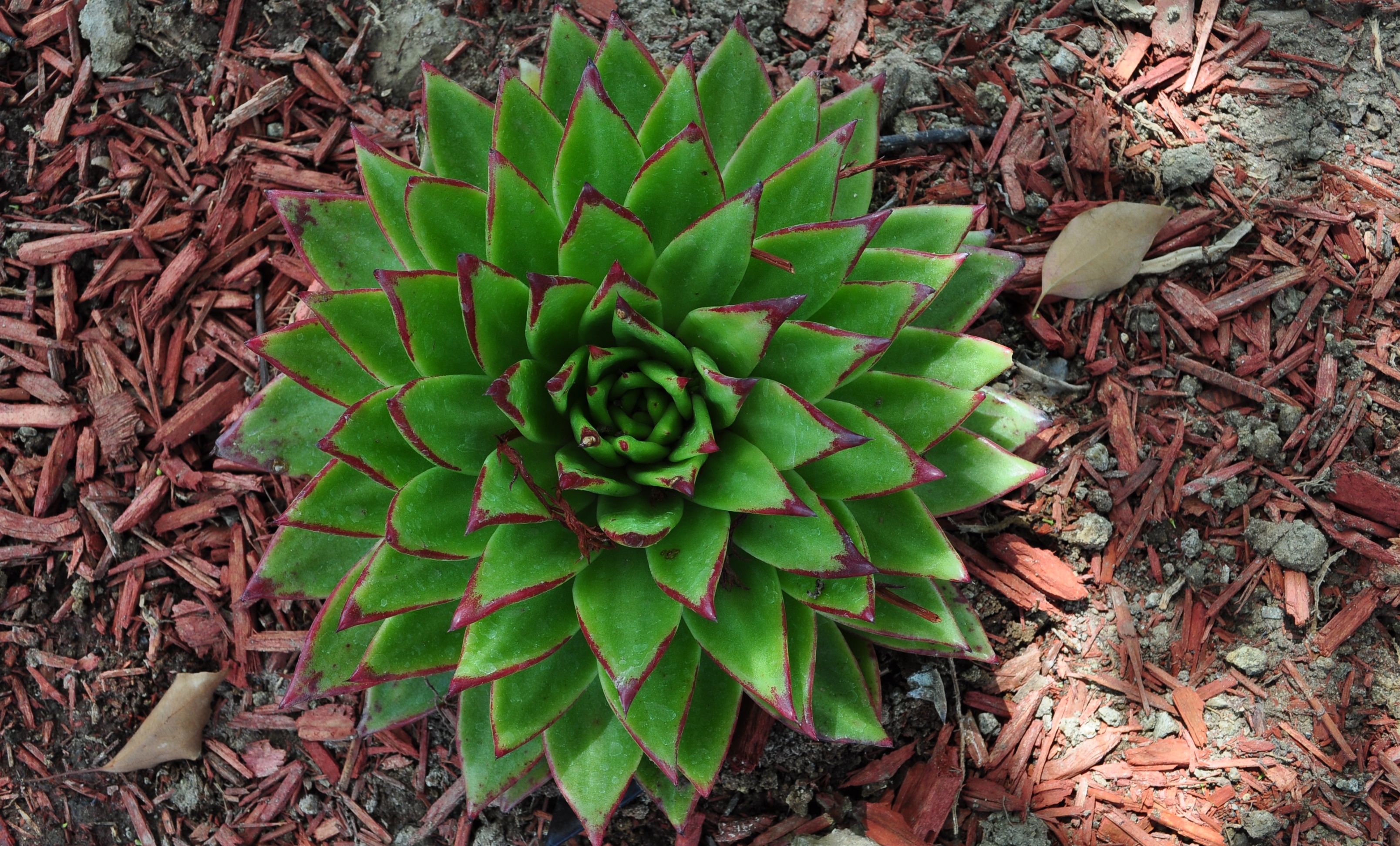
Aloes like these framing the parking lot at Marion Knott Studios are among the drought-resistant plants going into several of Chapman University’s landscapes.
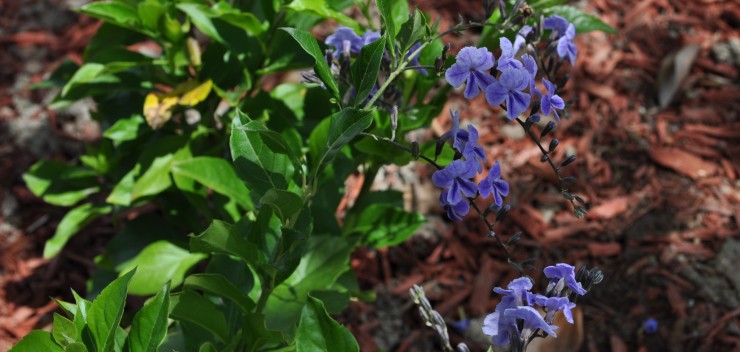
With a name like duranta repents, how could anyone not love this flowering shrub from the verbena family?
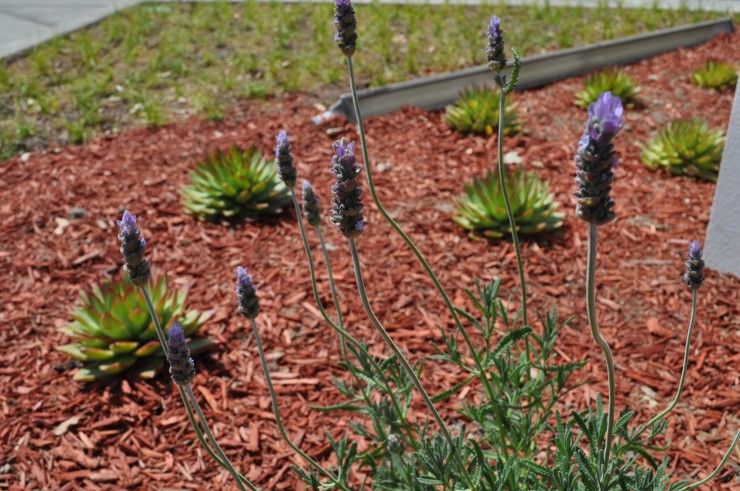
In the background is carex pensa, a sedge grass that makes a great lawn alternative. In the foreground are several echeveria, or ‘ lipstick’ succulents, and a blooming lavender bush.
Drought-tolerant landscapes take root throughout campus in new test gardens
Patience is the operative word when it comes to new gardens. But the payoff usually delivers a bounty of growth, fragrance and color. That’s the deal sure to deliver around campus in the coming weeks as several experimental drought-friendly gardens take root and flower.