Tristan Hicks
Choosing a college is a big decision, but you don’t have to figure it all out at once. With thousands of colleges and universities to choose from, it’s important to look beyond rankings and reputation to find a school that fits your academic interests, budget, goals, and lifestyle.
So, how do you choose a college? Start by thinking about what matters most to you. From majors and financial aid to location, campus size, and student life, these 10 factors can help you compare colleges, build your college list, and find the right fit for your next chapter.
Things to Consider
Majors and Programs
One of the first things to consider when choosing a college is the majors and academic programs that they offer. If you are interested in a specific career path, it is important to find a school that provides strong programs in that field or a related field.
Still figuring out what you want to study? Start by researching popular majors and exploring different academic areas. You don’t necessarily need to know your major before you start college, but finding a school with a variety of programs can give you flexibility as your interests develop.
Some of the most popular majors for undergraduate students include:
- Business
- Political Science
- Computer Science
- Biology
- Psychology
When comparing colleges, look beyond the name of a major. Research the courses you would take, opportunities for hands-on learning, faculty expertise, research opportunities, internships, and other experiences that could help you prepare for your career.
Cost and Financial Aid
When choosing a college, financial fit is just as important as an academic fit. To put it another way: find a school that offers the program you are interested in at a price you can afford.
Generally, public schools tend to be more affordable on paper. However, most colleges and universities provide financial aid packages, so it is important to research the financial aid and scholarship options available at each school and not be deterred by the sticker price.
When comparing costs, look at the net price rather than tuition alone. Your total cost of attendance may include tuition, housing, meals, books, transportation, and other expenses.
Also consider:
- Scholarships and grants
- Need-based financial aid
- Work-study opportunities
- Housing and meal plan costs
- Travel and transportation expenses

Location
Where a school is located can have a major impact on your overall college experience. Some students are looking to be in a major city with year-round warm weather, while others may prefer a rural campus with four distinct seasons.
Think about your preferences, then consider where you’ll live, how you’ll get around, what you’ll do in your free time, and the internships and jobs available in the area.
When comparing locations, consider:
- Safety: What is the surrounding community like?
- Accessibility: Can you easily access the places and services you need?
- Commute: Will you need a car, public transportation, or a bike to get around?
- Cost of living: How expensive is housing, food and entertainment in the area?
- Nearby airports: How easy will it be to travel home during breaks?
- Climate: What kind of weather do you want to experience?
- Career opportunities: Are there internships and jobs related to your interests nearby?
Chapman is in Orange, California, in the heart of Orange County. Students have access to a variety of restaurants, shops, cultural attractions and outdoor spaces, while also being within driving distance of Los Angeles and San Diego.
Campus Size
The size of a college or university can influence the school culture, class sizes, and student-professor relationships. A smaller institution often means smaller class sizes, resulting in closer relationships with professors and a more personalized feel to your education.
Larger universities often provide more extracurricular activities, events, networking opportunities, and larger campus facilities.
When comparing a small or large college, consider your learning style and what environment makes you feel a sense of “home.”
Chapman is a private university with a close-knit campus community of 9,760 students and a 12:1 student-to-faculty ratio. Its campus environment gives students opportunities to connect with faculty, participate in student organizations, and build relationships across academic programs.
Student Life
College doesn’t just take place in the classroom. Every college has its own culture, traditions and sense of community, and student life can play a big role in your overall college experience. Some schools may have a strong focus on athletics and school spirit, while others may emphasize Greek life, the arts, community service or other campus traditions.
As you research colleges, think about the type of campus environment where you would feel comfortable and connected. Consider how students spend their free time, what campus traditions are important to the community and whether the overall atmosphere matches what you’re looking for in your college experience.
Study Abroad and Experiential Learning
College is an opportunity to learn both inside and outside the classroom. If you are interested in studying abroad, internships, undergraduate research or other hands-on experiences, look at what each college offers before applying.
Study abroad programs can allow you to take courses in another country while gaining experience with different cultures and perspectives. Other experiential learning opportunities, such as internships, research, fieldwork, and service learning, can help you connect what you learn in class to real-world experiences.
Ask yourself:
- Does the school offer study abroad programs?
- Can students participate in in internships for academic credit?
- Are undergraduate research opportunities available?
- Does the school offer fieldwork or hands-on learning?
- Are there opportunities to work with local organizations or businesses?
Extracurricular Opportunities
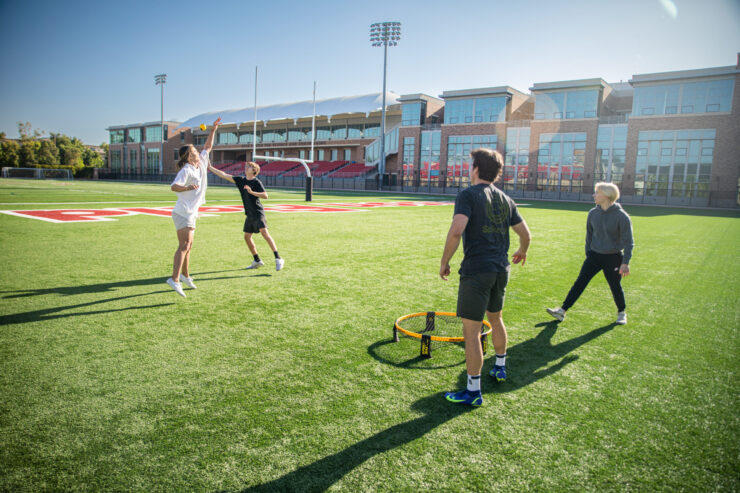
Extracurricular activities can help you explore your interests, develop new skills and build connections outside the classroom. Whether you want to continue a hobby, try something completely new or take on a leadership role, look for colleges that offer opportunities that interest you.
Research the clubs, organizations, recreational activities and other ways students can get involved. You can also look for opportunities to create your own organization if you have an interest that isn’t already represented on campus.
You don’t have to choose a college based on whether it has the exact club you participated in during high school. Instead, consider the kinds of experiences you want to have and the interests you’d like to explore in college.
Student Support Services
College can be an exciting transition, but it can also come with academic, personal, and financial challenges. Before choosing a college, research the resources available to help students succeed.
Depending on your needs, you may want to look for:
- Academic advising
- Tutoring and academic support
- Career services
- Counseling and wellness resources
- Accessibility services
- Health services
- First-generation student support
- Financial aid counseling
- Peer mentoring
Consider not only whether these services exist, but also how easy they are for students to access.
Alumni Network and Career Outcomes
Your college experience can continue long after graduation. A strong alumni network can help you build professional connections, find mentors, and discover career opportunities.
When researching a college, look at where graduates work and what they do after graduation. Consider whether the school has alumni working in industries, companies or locations that interest you.
You can also research:
- Internship opportunities
- Career fairs
- Employer partnerships
- Alumni mentoring
- Career advising
- Graduate school preparation
- Job placement and career outcomes
Chapman has a global network of over 80,000 alumni, providing students access and opportunity to build connections with leaders among a variety of industries.

Campus Resources and Facilities
The resources available on campus can make a difference in your day-to-day college experience. Think about the spaces and facilities you will use regularly and whether they support your academic and personal interests.
Depending on your goals, you may want to consider:
- Libraries and study spaces
- Laboratories and research facilities
- Art and performance spaces
- Fitness and recreation facilities
- Dining options
- Technology and computer labs
- Student gathering spaces
If you visit campus, take time to see the places students spend their time. Ask yourself whether you can picture yourself studying, eating, relaxing and connecting with other students there.
Tips for Deciding Which College Is Right for You
After researching different colleges, you may still have several schools that seem like good options. That’s normal. Instead of looking for a “perfect” college, focus on finding schools that fit your priorities.
Visit Campus
If possible, visit the colleges on your list. A campus tour can give you a better sense of the environment than photos or videos alone. Pay attention to the campus, classrooms, residence halls, and surrounding community.
During your visit, try to talk with current students. Ask them what they like about the college, what they would change and what surprised them about their experience.
Talk to Current Students and Alumni
Current students and alumni can provide perspectives you may not find on a college website. Ask about academics, campus culture, housing, student life and what they wish they had known before enrolling.
You can also connect with admissions counselors, faculty and current students through college events, information sessions, and campus visits.
Frequently Asked Questions About Choosing a College
How do I know which college is right for me?
Start by identifying your priorities. Consider academics, cost, location, campus size, student life, career opportunities and support services. Then compare colleges based on the factors that matter most to you.
What should I look for when choosing a college?
Some of the most important factors to consider include academic programs, cost and financial aid, location, campus size, student life, experiential learning opportunities, extracurricular activities, student support, career outcomes, and campus resources.
Should I choose a college based on its rankings?
Rankings can be one source of information, but they shouldn’t be the only factor in your decision. A highly ranked college isn’t necessarily the best fit for every student. Consider your academic interests, financial situations, preferred environments and personal goals.
Is it better to attend a large or small college?
Neither is inherently better. Larger and smaller colleges offer different experiences, so consider which environment fits your learning style and preferences. Think about class sizes, access to professors, campus activities, facilities, and the overall community.
How many colleges should I apply to?
There isn’t one right number for every student. Build a balanced college list that includes schools you would be excited to attend, and that represents a range of admission possibilities.
Find Your College Fit at Chapman
Choosing a college is about more than finding a school with a strong academic reputation. It’s about finding a community where you can learn, grow, explore your interests, and prepare for your future.
At Chapman University, students have opportunities to pursue their academic interests while building connections with faculty, participating in experiential learning, and getting involved in a close-knit campus community.
Explore Chapman’s academic programs and discover what makes Chapman a place where students can find their fit.
Explore Related Topics
The Chapman Experience Begins
Isabel “Isa” Gomez ’27 began her final year at Chapman much as she began her first: immersed in Orientation Week. In 2023, she arrived as a first-year student with an undeclared major, still
A Chapman Alumnus on How the Executive MBA Program Grew His Business
Every summer, Hank Rupp opens Rancho Guejito to welcome Chapman’s incoming Executive MBA class and faculty. It’s become the program’s unofficial kickoff, a tradition nine years ru
College Applications Explained: Early Action vs. Regular Decision
Understanding College Application Plans The college application process isn’t one-size-fits-all. Depending on the schools you’re considering and how ready you are to apply, you may have the opt
How to Apply to College: Step-by-Step Tips and Important Timelines
Applying to college can be both an exciting and stressful time. On the one hand, you may be excited about all the new experiences of living on your own, meeting n
Inaugural Marymount Scholars Officially Join the Chapman Family
The inaugural Marymount Scholars gathered this summer, marking their first official welcome to campus. The ten students are the first cohort of a partnership between Chapman University and the Mary
The Chapman Experience Begins
Isabel “Isa” Gomez ’27 began her final year at Chapman much as she began her first: immersed in Orientation Week. In 2023, she arrived as a first-year student with an undeclared major, still
Chapman Welcomes Its Newest Panthers
Chapman University’s Orange Campus sprang to life as new students and their families arrived last week for a milestone long in the making: 2026 Orientation Week. They were greeted by dozens of Or
The Red Jacket: Inside the Chapman Ambassador Program
If you’ve spent time on campus during big events, you’ve probably seen students in red jackets, moving purposefully through crowds, greeting guests, and guiding families. Those are Chap
Will Accounting Be Replaced by AI?
Accounting will not be fully replaced by AI, but AI is rapidly automating routine, repetitive accounting tasks. The profession is shifting toward higher-value work like judgment, compliance, contro
How To Choose a College
Choosing a college is a big decision, but you don’t have to figure it all out at once. With thousands of colleges and universities to choose from, it’s important to
Zach Woodford ’28 Sees Broadcast Problem-Solving in Action
About 10 minutes before a FIFA World Cup match went live at SoFi Stadium, half the routes carrying video from commentators’ cameras suddenly failed. Zach Woodford ’28 watched as the engin
Nico Schwegler ’27 Finds His Way to the Broadcast Booth
As a child, Schwegler sometimes woke at 5 a.m. to find his German father watching Premier League soccer. He couldn’t understand the appeal. “Why are you watching? Ther