Arturo Gomez Molina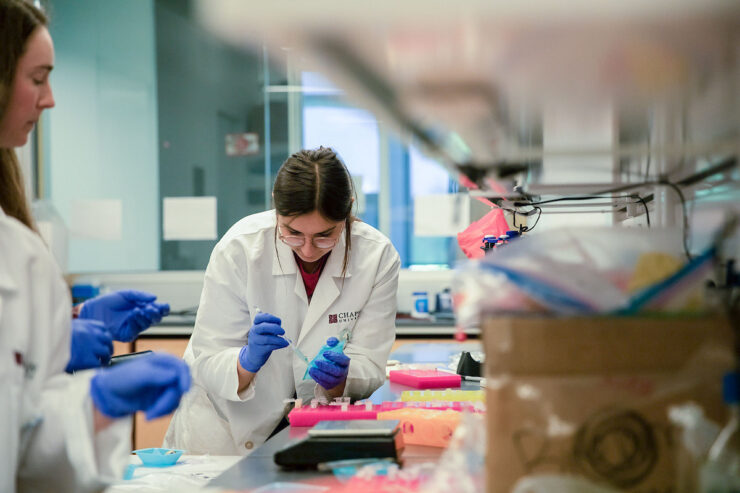
Environmental science is one of the most versatile and future-focused degree paths available today. Combining biology, chemistry, policy, data analysis, and sustainability, an environmental science degree prepares students for careers that protect ecosystems, support communities, and address global challenges like climate change and pollution.
If you are wondering what you can do with an environmental science degree, this guide breaks down environmental science careers, job outlook, skills, and education pathways.
Introduction: What Is Environmental Science?
Environmental science is an interdisciplinary field that examines environmental systems, natural resources, and the challenges created by a growing human population. It brings together scientific research, public policy, and emerging technologies to address issues such as climate change, pollution, sustainability, and resource management.
“I’d describe environmental science as the science of human interaction with the natural world,” Dr. Joshua B. Fisher, associate professor of environmental science and policy at Chapman University, said. “Energy, agriculture, water, air, they’re all a part of environmental science.”
Unlike more narrowly focused science degrees, environmental science is inherently interdisciplinary. Students learn to analyze environmental systems using tools from biology, chemistry, social sciences, data science, and public policy.
Why Environmental Science Is an In-Demand Career Field
Environmental science careers are growing faster than the average occupation, driven by climate change, population growth, environmental regulation, and sustainability demands across industries.
“Environmental science is embedded in nearly every sector of society,” Dr. Richelle Tanner, assistant professor and program director of environmental science and policy at Chapman University, said. “Public utilities, agriculture, social services, infrastructure, they all rely on environmental science.”
Environmental scientists help:
- Prevent pollution
- Protect natural resources
- Guide environmental policy and compliance
According to national labor data, environmental science jobs are expected to grow steadily over the next decade, with strong salary potential.
Skills You Gain with an Environmental Science Degree
Students pursuing an environmental science degree develop a mix of technical, analytical, and communication skills that are highly transferable across industries.
Key skills include:
- Environmental data analysis
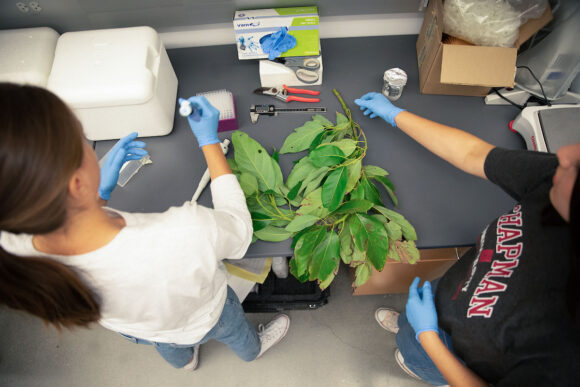
- Scientific research and field methods
- Geographic Information System (GIS) and spatial analysis
- Policy evaluation and compliance
- Climate and sustainability modeling
- Scientific writing and communication
“No single discipline can solve environmental problems,” Fisher explained. “That’s why environmental science students learn to think across systems.”
Many students are drawn to the major because they enjoy the outdoors, but environmental science also appeals to students interested in technology, policy, and problem-solving.
Environmental Science Careers and Job Paths
Graduates with an environmental science degree pursue careers in various sectors, including government, private industry, nonprofits, education, and research.
Common environmental science careers include:
- Environmental scientist or analyst
- Environmental consultant
- Environmental policy advisor
- Conservation scientist
- Environmental educator or communicator
“Careers in environmental science vary widely. From fieldwork to lab roles to office-based jobs,” Tanner said. “You’re not limited to one environment or career path.”
Fieldwork, Lab, and Office Jobs in Environmental Science
A common misconception is that environmental science careers require constant outdoor work. Many environmental science jobs are lab- or office-based.
Environmental science job environments include:
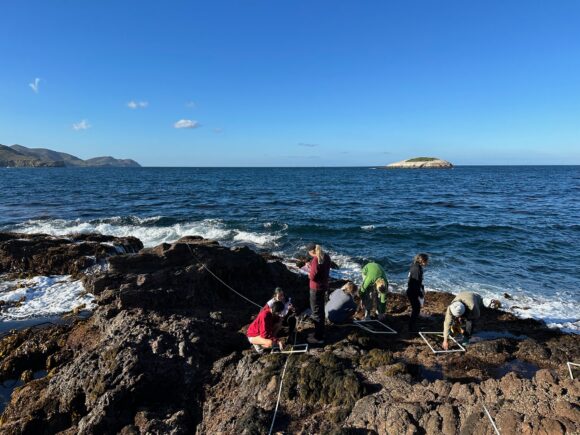
- Fieldwork: environmental monitoring, ecosystem restoration, conservation
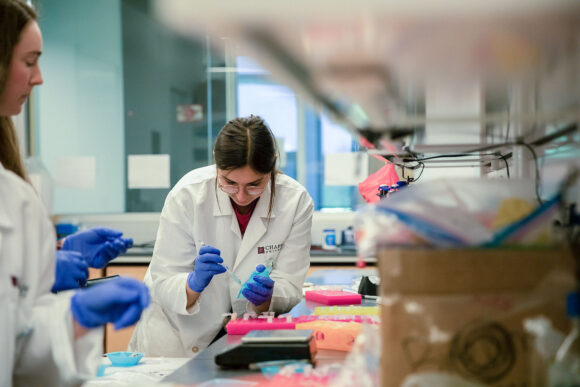
- Laboratories: water and soil testing, environmental chemistry
- Office roles: environmental policy, GIS mapping, sustainability planning
“Environmental science today relies heavily on computers, data, and modeling,” Fisher said. “That opens the field to students with technical interests as well.”
Government, Private Sector, and Nonprofit Careers
Environmental science graduates work across all sectors of the economy.
Government careers in environmental science:
- Environmental Protection Agency (EPA)
- National Park Service
- U.S. Geological Survey
- State and local environmental agencies
Private sector environmental science jobs:
- Environmental consulting firms
- Engineering and construction companies
- Agriculture and food systems organizations
- Energy and technology companies
Nonprofit environmental science roles:
- Conservation organizations
- Environmental advocacy groups
- Research institutes
Environmental consulting is a common entry-level pathway, offering exposure to a wide range of projects and industries.
Does Your Environmental Science Degree Level Matter?
A bachelor’s degree in environmental science qualifies graduates for many entry-level roles. Specializations, minors, or graduate degrees can expand career options and earning potential.
“The undergraduate degree itself is powerful because of how interdisciplinary it is,” Tanner said. “But advanced degrees can open doors to leadership, research, and policy roles.”
Graduate programs allow students to specialize in areas such as:
- Environmental policy
- Climate science
- Conservation biology
- Environmental data science
At Chapman University, undergraduates gain early exposure to advanced tools like GIS, climate modeling, coding, and research; skills often reserved for graduate programs elsewhere.
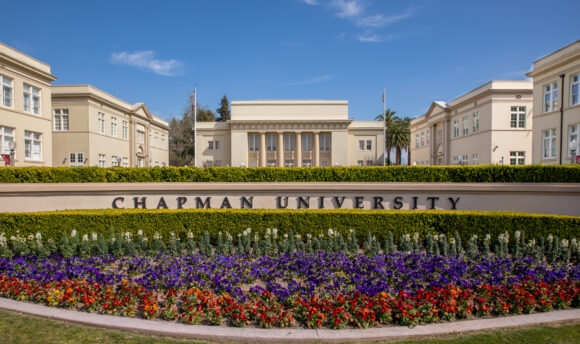
Launch Your Environmental Science Career at Chapman University
At Chapman University, students in the Environmental Science and Policy program gain hands-on experience in research, fieldwork, policy analysis, and sustainability solutions.
Students benefit from:
- Faculty-mentored research
- Access to advanced environmental technology
- Real-world learning in Southern California and beyond
- Preparation for careers or graduate study
“Here, students don’t get lost or go unnoticed,” Fisher said. “We know them, mentor them, and help them build meaningful careers.”
Take the next step toward a career that protects communities, ecosystems, and the future.
Explore Chapman University’s Environmental Science and Policy Program