Learn How Jim Doti Transformed Chapman into a National University
In his new book, Doti shares how econometrics helped shape the story of Chapman University during his 25-year presidency.
By Stace Dumoski
In 1991, Chapman was just a small college, beloved by its students and alumni, but struggling financially and not making much of an impact in the world beyond the borders of Orange County, Calif. Then an economist became president and changed everything.
In his new book, “Using Data Analytics to Drive Transformational Change,” James Doti, president of Chapman University from 1991 through 2016, reveals the secrets that led to Chapman’s meteoric ascent during his 25 years in office—including rising in the regional ranks from #61 to #5, the most significant increase ever in the history of the U.S. News and World Report rankings.
“I felt it was my responsibility to put down on paper, for the record, what we did during those 25 years,” says Doti. “We did something special at Chapman. We transformed the university from an open admission, small regional college to a national university. So a lot of things happened, and I felt it was important in terms of other presidents, other leaders in higher ed to learn from our experience.”
Presented as a toolbox for academic leaders who seek to initiate similar institutional transformations, the book is rich with the data analytics that formed the foundation for Chapman’s strategic choices over two and a half decades. Charts and graphs lay out the metrics Doti and his team used to compare Chapman to the competition and track the university’s progress over time.
But analytics are only part of the formula that allowed Chapman to aim so high. The rest has to do with the leadership provided by Doti himself, and the shared vision he created for the transformation of the university.
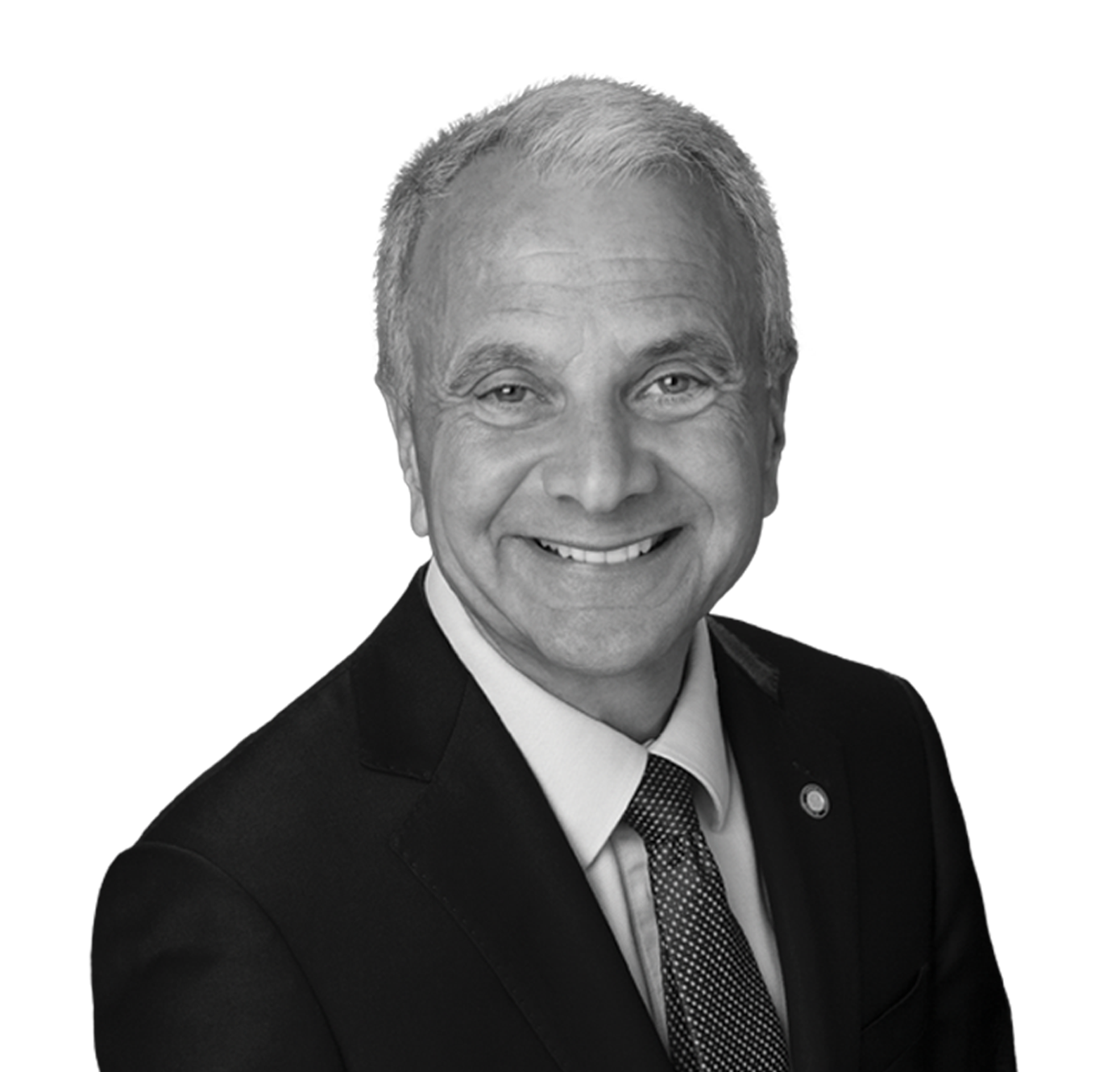
In his new book, Jim Doti wrote about how he led the transformation of the university from an open admission, small regional college to a national university.
Focus, Focus, Focus
“The first five years, 1991 to 1996, were critical,” says Doti. That’s when he came up with the overarching vision that guided the entire 25 years.
At the core of that vision was one simple idea, he says.
“We, as a community, are going to transform Chapman from an open admission school to a selective university with better prepared students,” says Doti. “That’s the key. Everything else supports that central idea.”
There was resistance, of course, from the Board of Trustees, faculty, alumni and others who were invested in Chapman’s future. But only at first. With his stacks of comparative data to back him up, he was quickly able to persuade critics that his plan would not only improve the university’s reputation but would also ensure that it was on a sound financial footing for years to come. Doti was not surprised that the trustees and others were swayed so quickly to the new course, because Chapman has always been entrepreneurial at heart.
“It was part of our DNA to think about new opportunities and think of new ways of doing things,” Doti says. “The fact that we had a community that was willing to consider going from one kind of regional, small college with open admissions to a national university, which is quite a stretch, was because I think we had this entrepreneurial bent in our DNA that we were willing to try new things.”
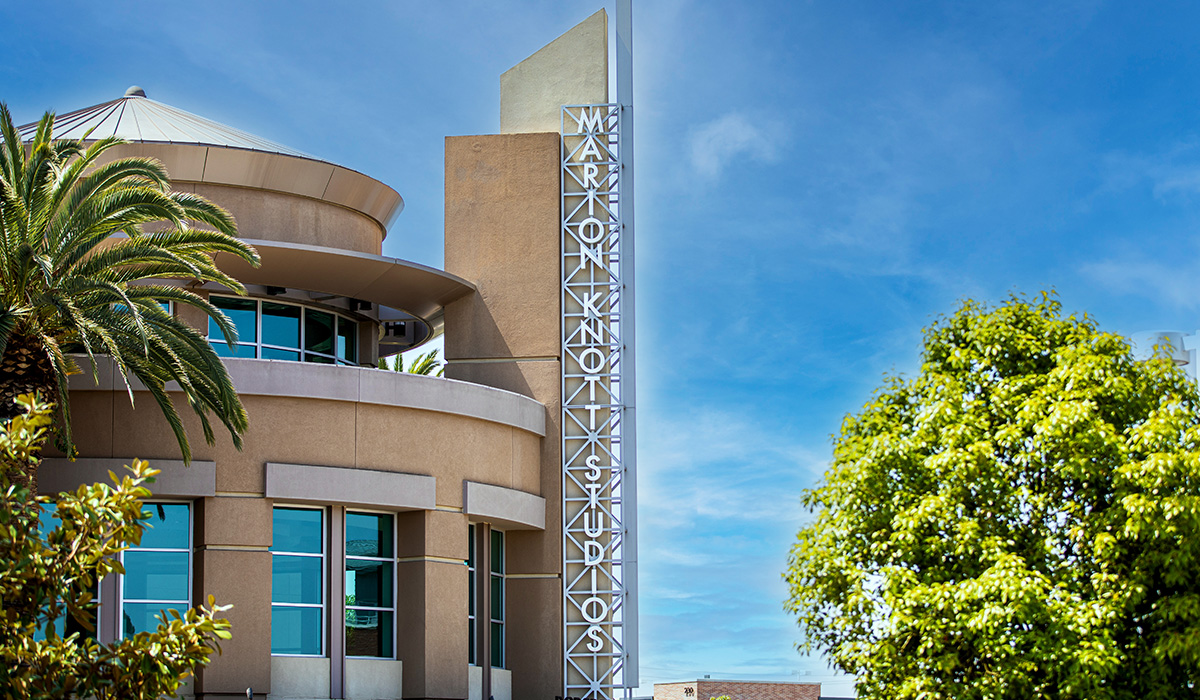
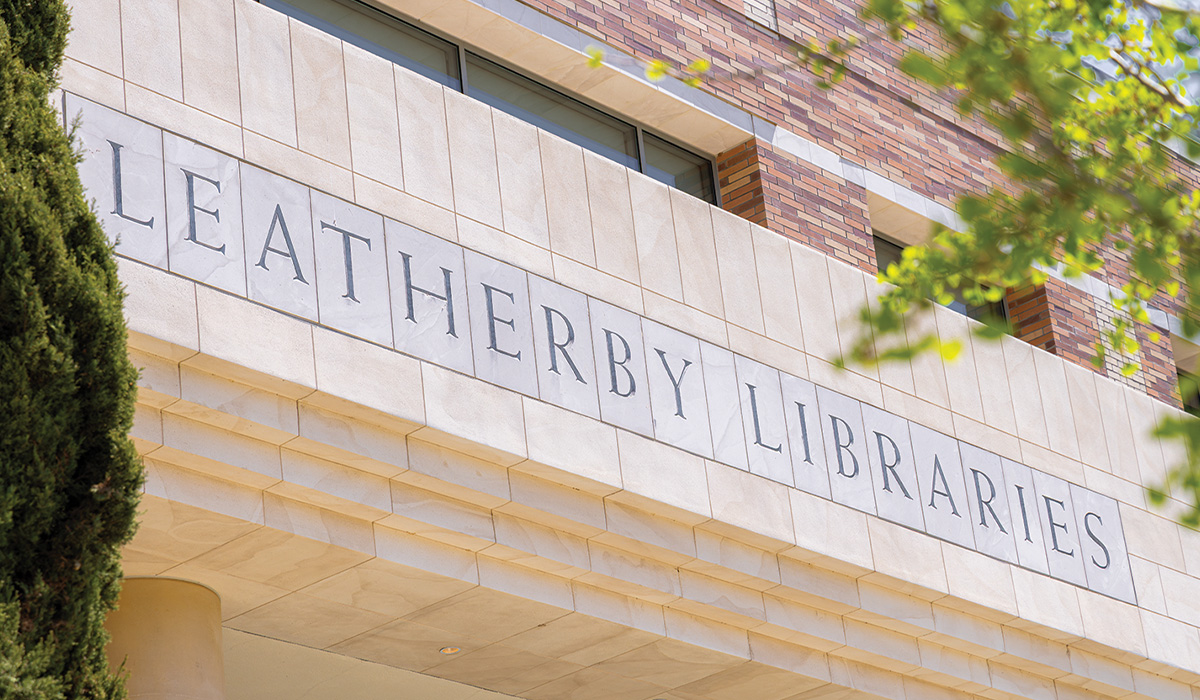
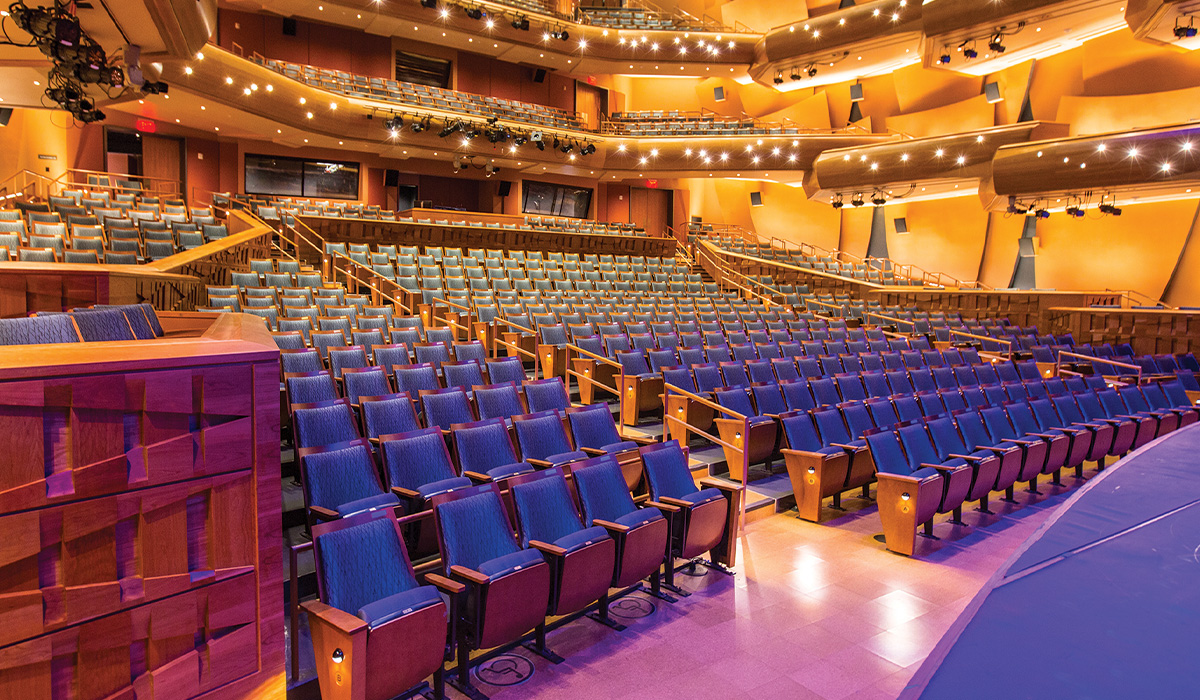
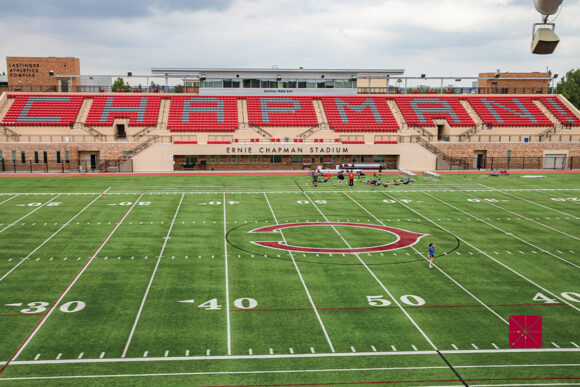
As part of its transformation into a national university, Chapman has added a number of new facilities, including Leatherby Libraries, Marion Knott Studios and Musco Center for the Arts.
As part of its transformation into a national university, Chapman has added a number of new facilities, including Leatherby Libraries, Marion Knott Studios and Musco Center for the Arts.
As part of its transformation into a national university, Chapman has added a number of new facilities, including Leatherby Libraries, Marion Knott Studios and Musco Center for the Arts.
The People, the Stories, the University
For readers who may not be drawn to analytics but hold a deep affection for Chapman University, this book is a treasure. Beyond the scanner charts and statistical diagrams, Doti weaves a tapestry of stories about the people, places and pivotal moments that shaped Chapman into what it is today.
Names appear throughout the memoir that resonate deeply within the Chapman community: George Argyros, Don Sodaro, Doy Henley, Dale Fowler, Ron Simon—the list goes on, and each name carries with it a legacy of generosity, vision and faith in the university’s future.
“What’s the story behind Musco [Center], the library, the film school, Knott Studios,” Doti reminds us, and he delivers those backstories with an insider’s voice that feels both nostalgic and intimate. These are not just institutional milestones but living memories told by someone who stood at the heart of their creation.
Ultimately, what emerges from Doti’s narrative is more than a history lesson; it is a portrait of a university’s soul. By pulling back the curtain, Doti gives readers a sense of belonging to something larger than themselves. The memoir is not only a chronicle of progress—it is a reminder that Chapman’s story is, at its core, a story of people. And it is a story still being written.
Be sure to keep an eye out for Doti’s next book, “An Adventure Log, A Chronicle of Climbing, Running, and Biking.”
It was part of our DNA to think about new opportunities and think of new ways of doing things.
Jim Doti, President Emeritus
Published in the print edition of the Chapman Magazine Winter 2025 Issue, with the headline “Learn How Jim Doti Transformed Chapman into a National University.”