Arturo Gomez Molina
Ever wondered who actually makes characters feel alive on screen? This is a breakdown of what a career in animation really looks like, the different directions you can take in the industry, and the mix of artistic chops, software skills, and teamwork it takes to get hired.
What Is a Career in Animation All About?
A career in animation is about visual storytelling. Artists in animation studios and related fields bring ideas, characters, and concepts to life through moving imagery. Using a combination of artistic skills and digital tools, people in animation create films, television shows, video games, advertisements, and interactive media.
Because animation is used in so many industries, a career in animation can lead you into entertainment, gaming, marketing, education, technology, and beyond.
What Does Working in Animation Involve?
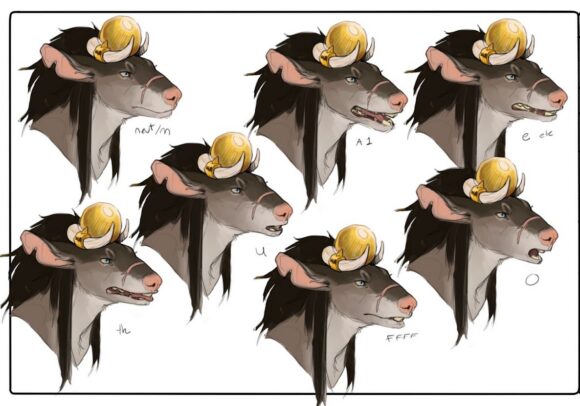
Depending on your role, you might be shaping how characters, objects, or graphics move across time, frame by frame or using digital modeling, rigging, and simulation. Some careers in animation center on performance and storytelling; others focus more on technical systems, effects, or motion design. Understanding these options can help you decide which path fits you best.
Day-to-day, animation professionals might be:
- Designing character or motion concepts
- Creating storyboards and animation tests
- Animating scenes using 2D or 3D software
- Building or adjusting rigs and models for animation
- Collaborating with designers, writers, and technical teams
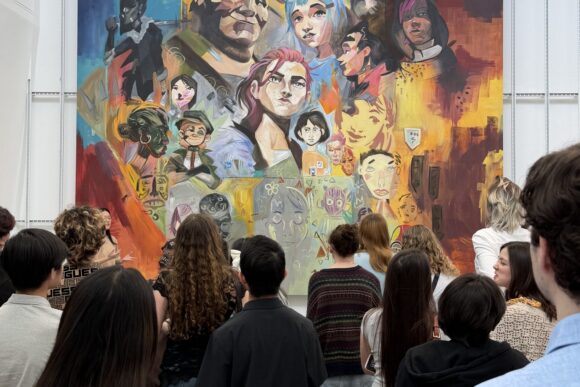
Types of Career Paths in Animation
A career in animation is not a single job, but a collection of specialized paths. As you gain experience, you can move between these areas or combine them.
Common career directions include:
2D Animation
Creating movement in a two-dimensional space using hand-drawn, vector-based, or digital frame-by-frame techniques. Careers can range from TV series and web content to educational media and advertising.
3D Animation
Building and animating characters, environments, and objects in a three-dimensional digital space. These roles are common in feature films, streaming series, games, and high-end commercials.
Game Art and Animation
Designing responsive character and environmental animations that function seamlessly within interactive gameplay systems. This path blends animation skills with an understanding of game engines and player experience.
Visual Effects (VFX)
Using animation and compositing to create realistic or stylized effects such as explosions, weather, creatures, and digital enhancements. VFX artists often work on live-action films, television, and commercials.
Character Animation
Focusing specifically on bringing characters to life through performance-driven movement, expression, and timing. This path emphasizes acting, personality, and emotional storytelling.
Careers in animation can lead to full-time studio roles, freelance work, or hybrid positions that mix animation with design, filmmaking, or technology.
Skills You Need to Build a Career in Animation
To build a sustainable career in animation, you’ll need a mix of creative, technical, and professional skills. These form the foundation for getting hired and growing in the industry.
Creative and Artistic Skills
You’ll need a strong understanding of movement, timing, and visual storytelling, including principles like weight, balance, exaggeration, and pacing. These fundamentals help characters and objects feel believable and emotionally engaging onscreen.
Technical and Software Skills
Most animation careers require comfort with industry-standard tools and workflows. Depending on your focus, that might mean:
- 2D animation and compositing software
- 3D modeling, rigging, animation, and rendering tools
- Motion graphics and editing platforms
Building technical fluency allows you to fit into professional pipelines and collaborate effectively with other artists and technicians.
Collaboration and Communication
Animation is highly collaborative. To succeed, you’ll need to:
- Communicate ideas visually and verbally
- Take and apply feedback from directors and peers
- Work within production schedules and pipelines
Strong collaboration skills make you a reliable teammate and are often a deciding factor in hiring and promotion.
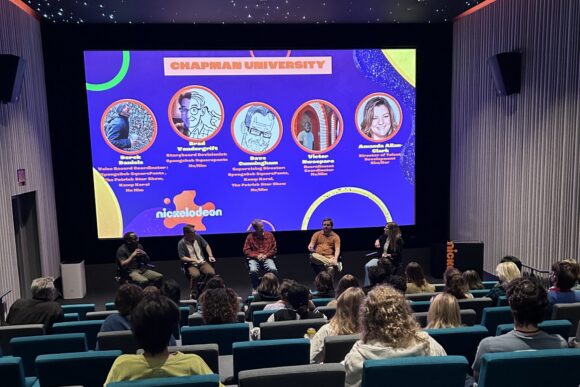
How to Train for a Career in Animation
There’s no single “right” way to prepare for a career in animation, but most professionals build a foundation through structured learning, then keep growing with ongoing practice and portfolio development.
Many aspiring animators choose to pursue a college degree or formal training program because it offers a clear, comprehensive path into the industry. Common education and training options include:
- Earning a bachelor’s degree in animation, film, or digital media
- Attending specialized animation schools or intensive programs
- Taking online courses and certificate programs (often to supplement degree studies)
- Participating in workshops, mentorships, and industry events
A college degree or structured program can also provide key advantages, such as:
- Systematic instruction in animation fundamentals and advanced techniques
- Access to industry-standard software, hardware, and production pipelines
- Collaborative projects that mirror real studio workflows
- Regular feedback from instructors with professional experience
- Built-in networking opportunities with classmates, alumni, and industry guests
All of these experiences work together to strengthen your skills, build a standout portfolio, and help you transition more confidently into a professional animation career.
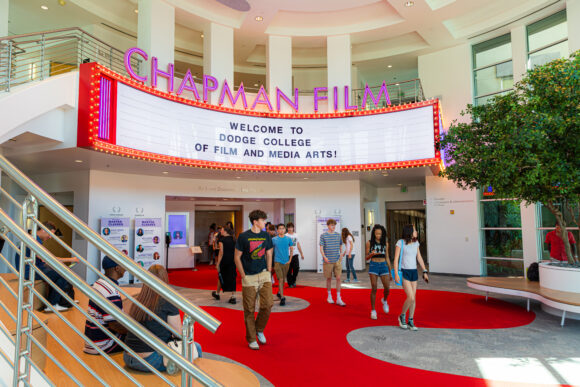
Animation Programs and Creative Training at Chapman University
Chapman University offers an academic environment where aspiring animation professionals can develop both creative and technical skills in a collaborative, industry-informed setting. Through coursework that emphasizes storytelling, visual development, and digital production, students gain hands-on experience creating animated work while learning the fundamentals that support long-term growth in the field.
Discover more about Chapman University’s animation and creative media programs